Skip to content

Skill Builders

Curiosity has a place here.

Some of the best learning begins with a simple question: “How does this work?”

Wayfinder Skill Builders gives young people the opportunity to explore that question with their hands as well as their minds.

  • 01ImagineDecide what to make
  • 02DesignPlan it on paper
  • 03BuildMake the real thing
  • 04TestSee what works
  • 05AdaptChange it and go again

Philosophy

Learning by doing, not by watching.

Sessions are built around real materials and open-ended challenges. Participants take things apart, investigate components, test their ideas and adjust as they build.

There is structure, with an introduction, guidance and support throughout. There is also deliberate room for open-ended exploration. Two participants may start with the same materials and finish with entirely different results.

The process runs through the same five moves: imagine, design, build, test, adapt. Participants are encouraged to think for themselves rather than follow a set of predetermined instructions.

Adjustments are part of the process. Testing, adapting and changing an idea as you work are all part of learning, creating and discovering what works.

All activities use age-appropriate materials and tools, introduced and supervised by the facilitator.

The Wayfinder process

Imagine. Design. Build. Test. Adapt.

…and then adapt again

Every session moves through the same loop, whatever the materials are.

  1. Imagine

    Investigate the materials.

    Decide what could be made.

  2. Design

    Draw it.

    Plan how it holds together.

  3. Build

    Turn the design into something physical.

  4. Test

    Try it out.

    See what actually works.

  5. Adapt

    Adjust and refine the design.

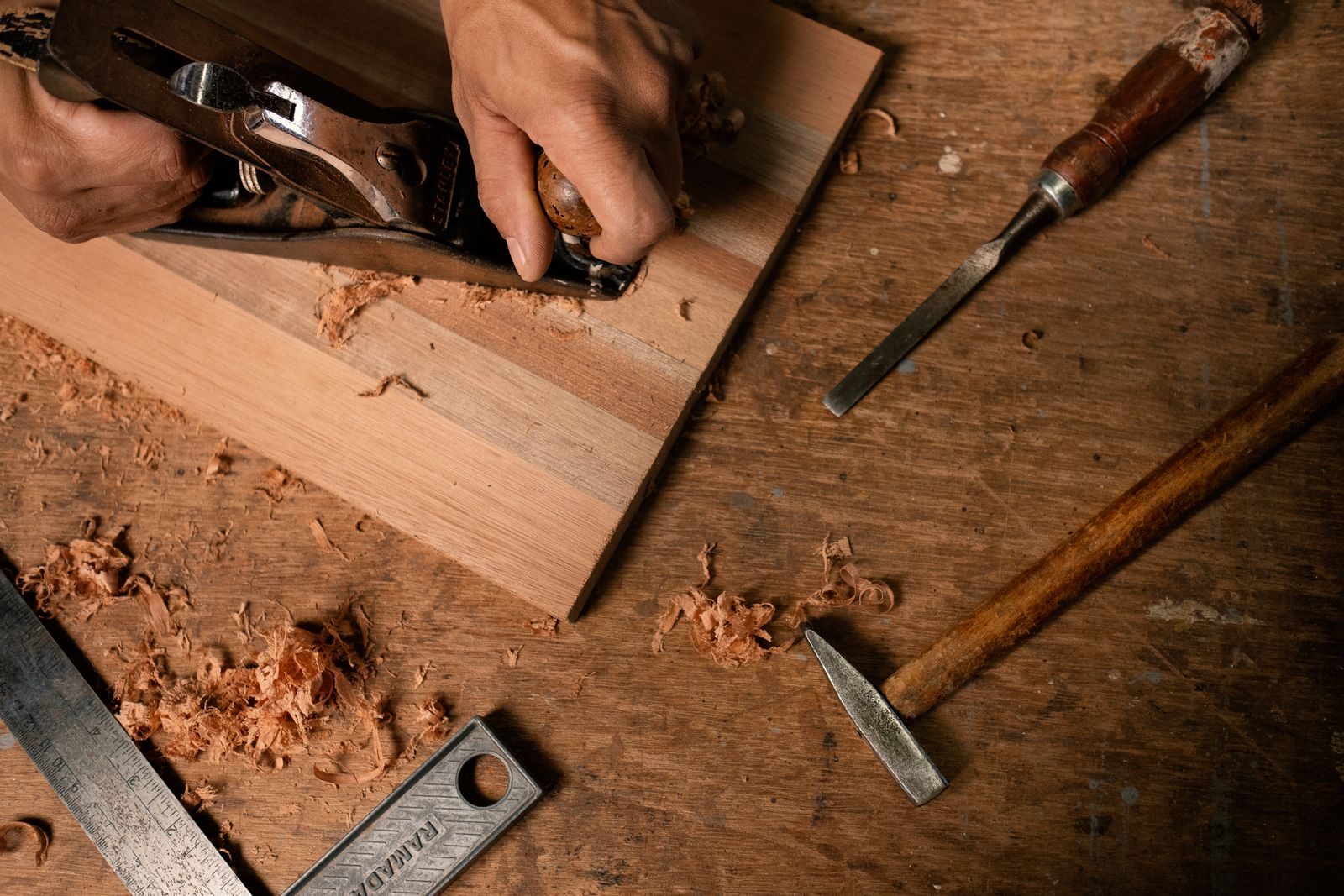
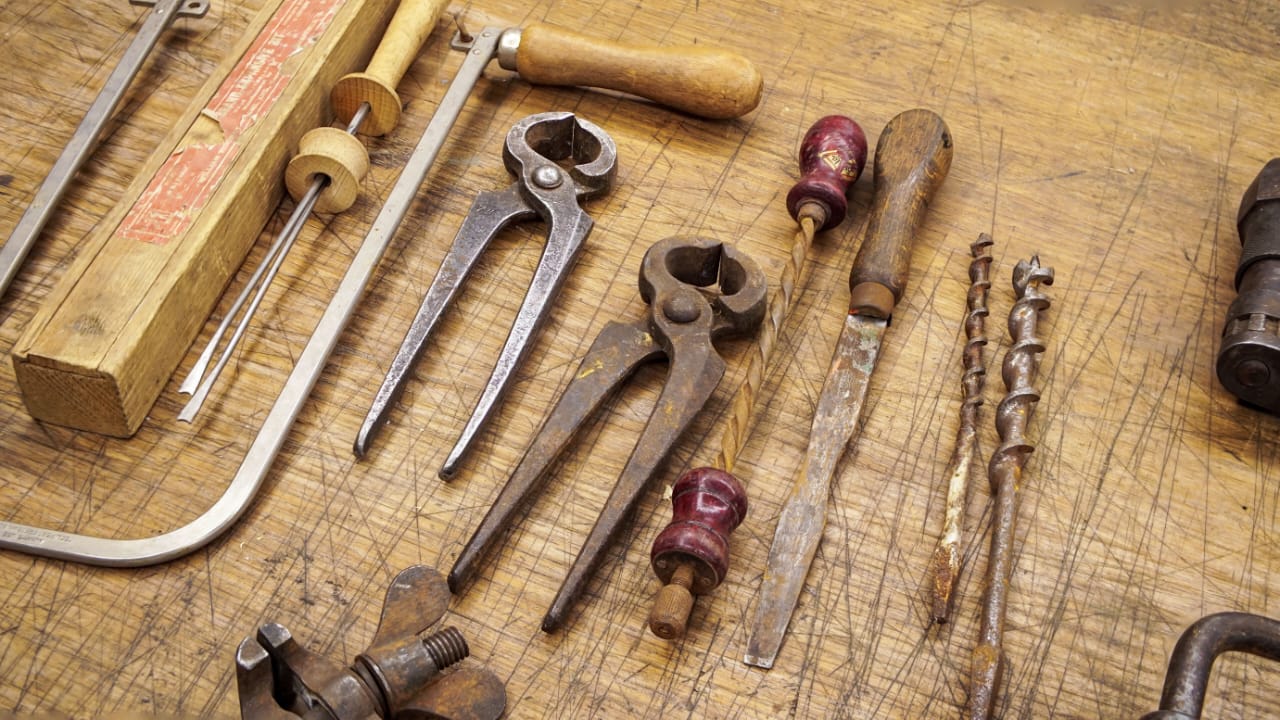
Vintage hand tools laid out on a well-worn wooden workbench

real tools, real materials, real builds

The Mystery Build Challenge

What wouldyou build?

What would you build if you didn't know what materials you were getting until you opened the bag?

In a Mystery Build challenge, participants receive a selection of materials and drawing tools. They investigate what they have, develop an idea, sketch their design and work together to turn that idea into something they can actually build.

The challenge isn't about copying a set of instructions. It's about thinking, designing, experimenting, adapting and creating.

Try a Mystery BuildNo instructions given!
Overhead view of hands sorting motors, wheels and components across a work table
One bag. Endless possibilities.
  1. 1

    Open it

    What's in the bag?

  2. 2

    Imagine it

    Ideas, not instructions

  3. 3

    Draw it

    Plan it on paper

  4. 4

    Build it

    Make it real

  5. 5

    Test it

    Does it work?

  6. 6

    Change it

    Try again →

Across the programme

Different challenges. Different materials.

Participants can encounter a range of hands-on challenges over time in Strand, Western Cape. Not every activity happens in every class.

Children drawing with pencils at a table covered in paper and coloured pencilsFig. 01
Art
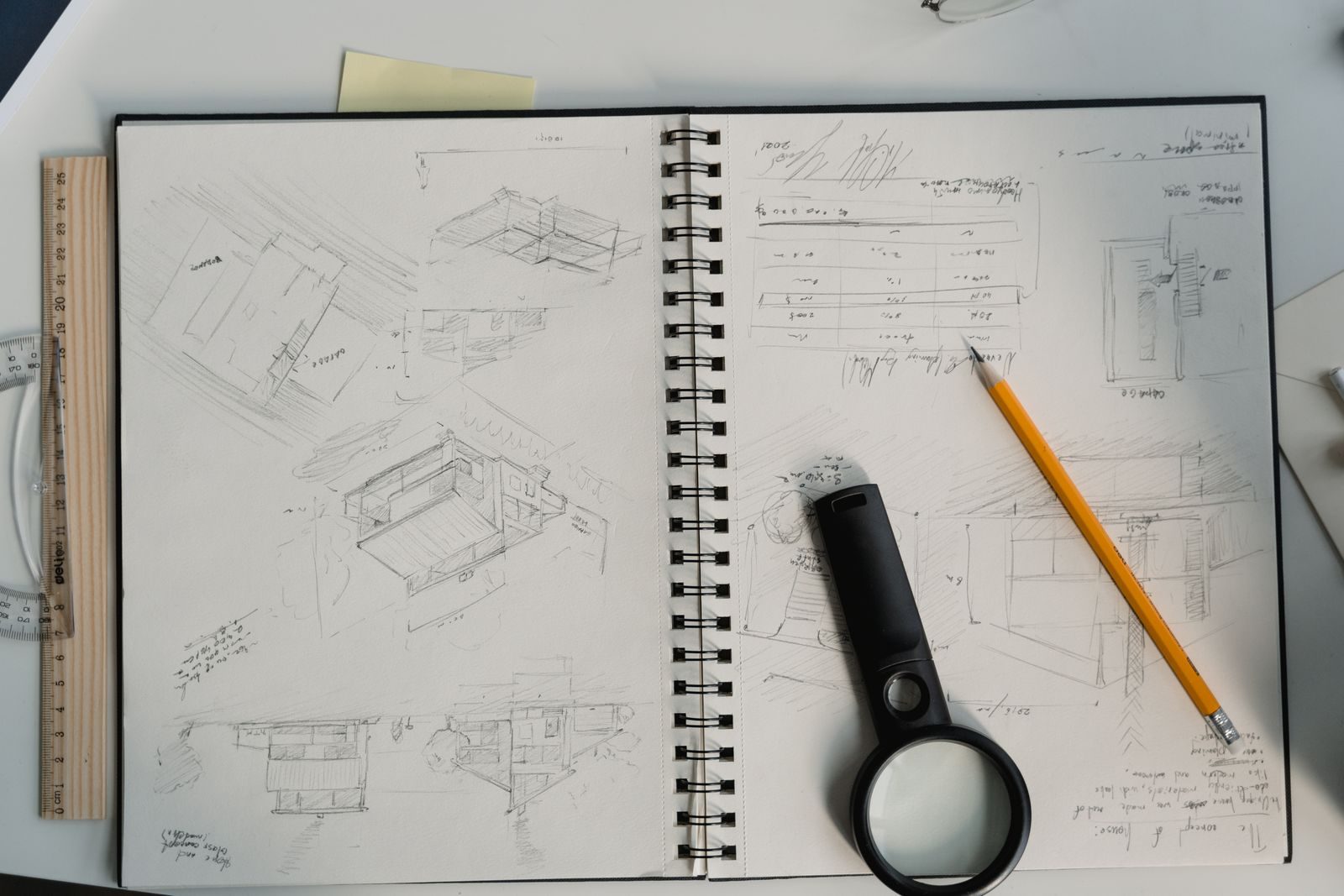
An open sketchbook of pencil design drawings beside a magnifying glass and pencilFig. 02
Design
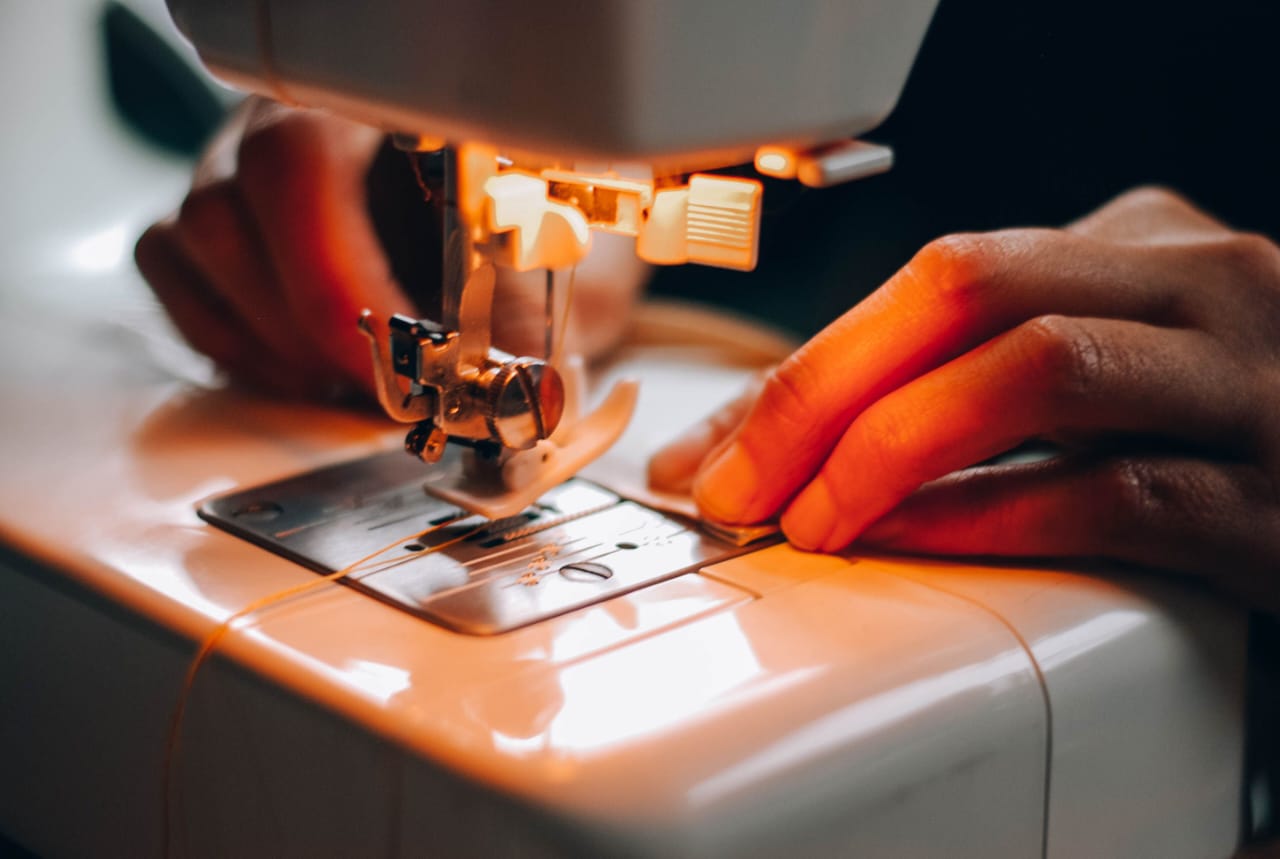
Hands guiding fabric through a sewing machine under warm lightFig. 03
Sewing
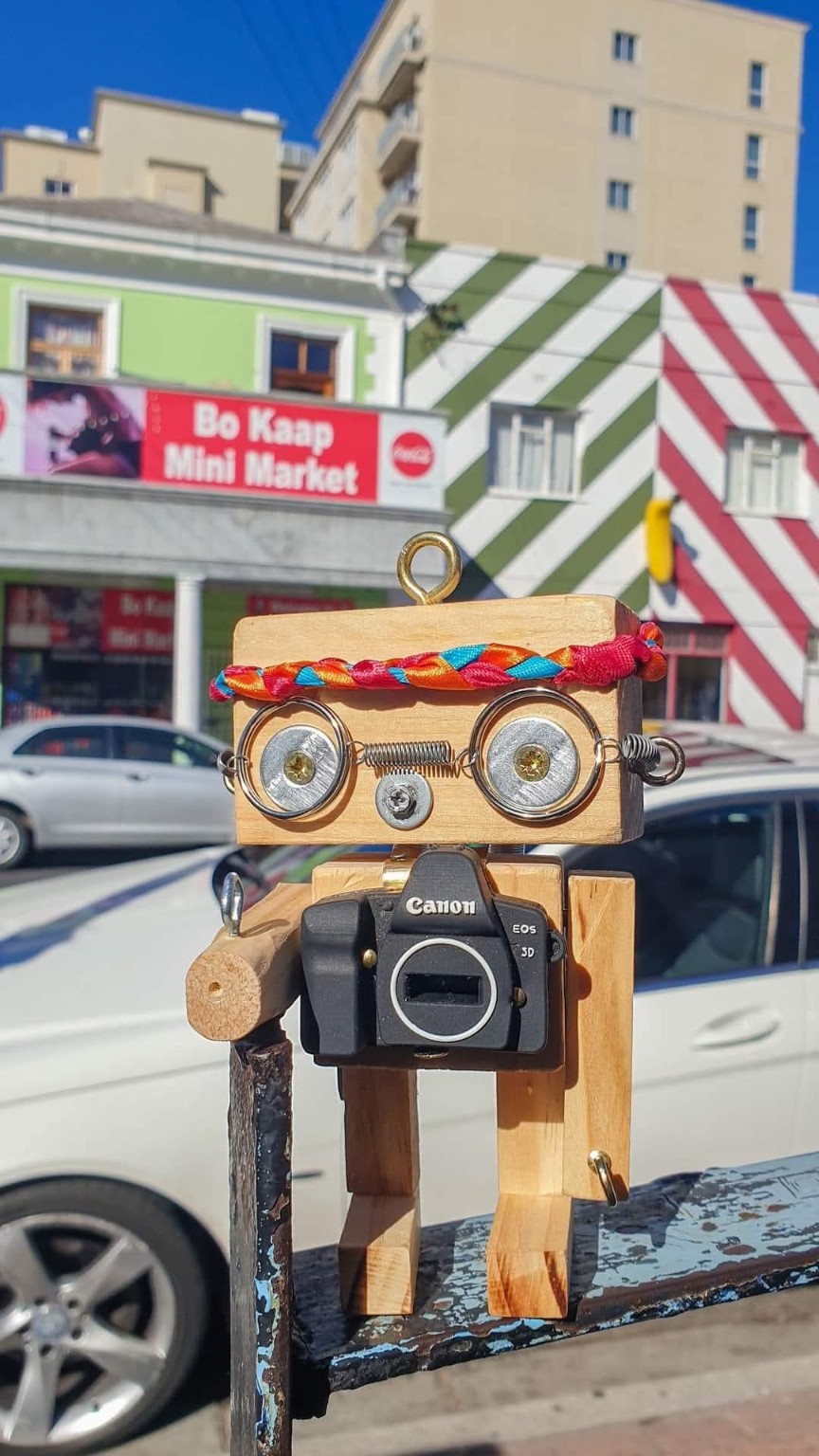
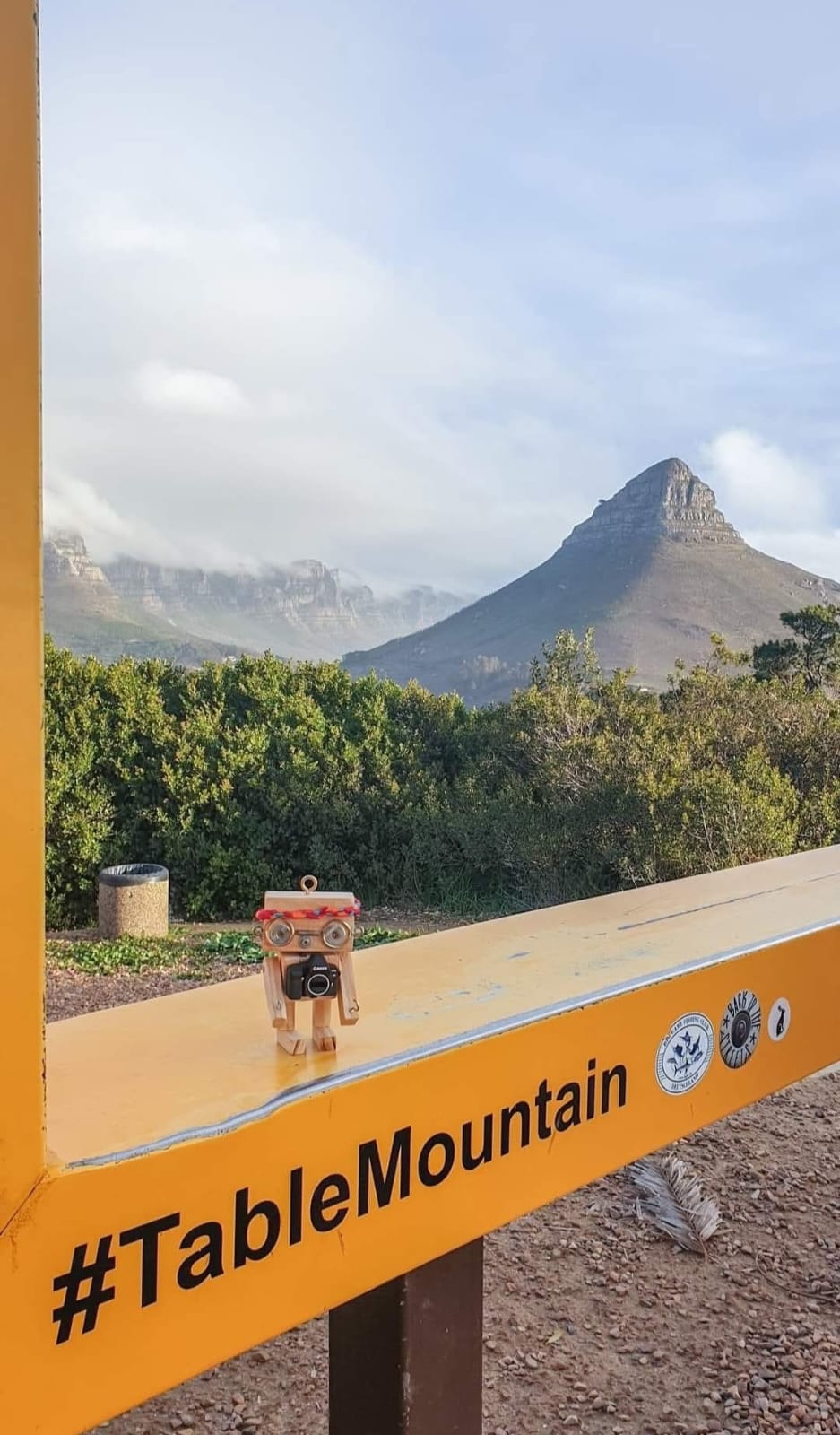
A wooden robot with a braided headband and camera, photographed outdoors in front of a Bo-Kaap street sceneFig. 04
Mobile Photography
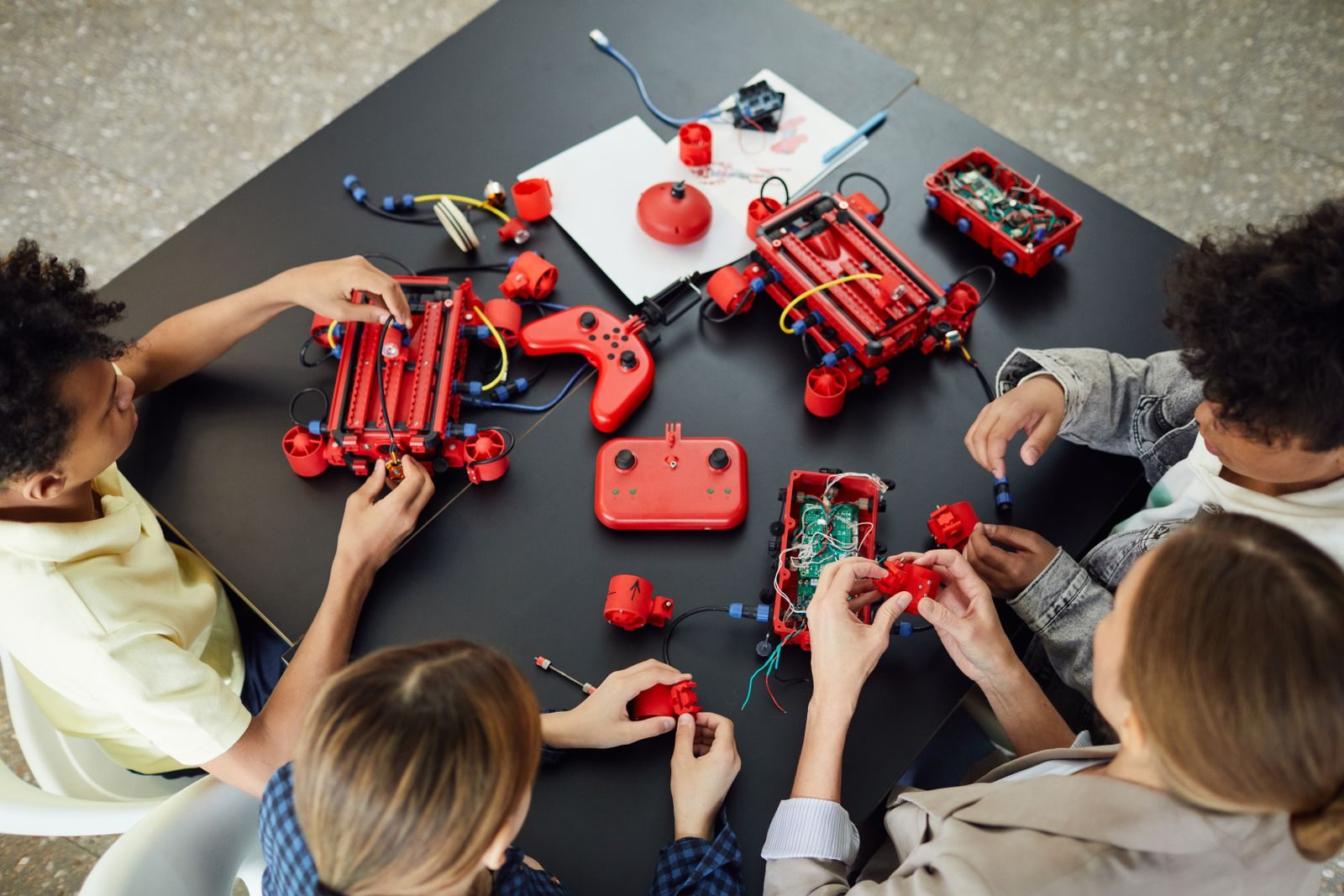
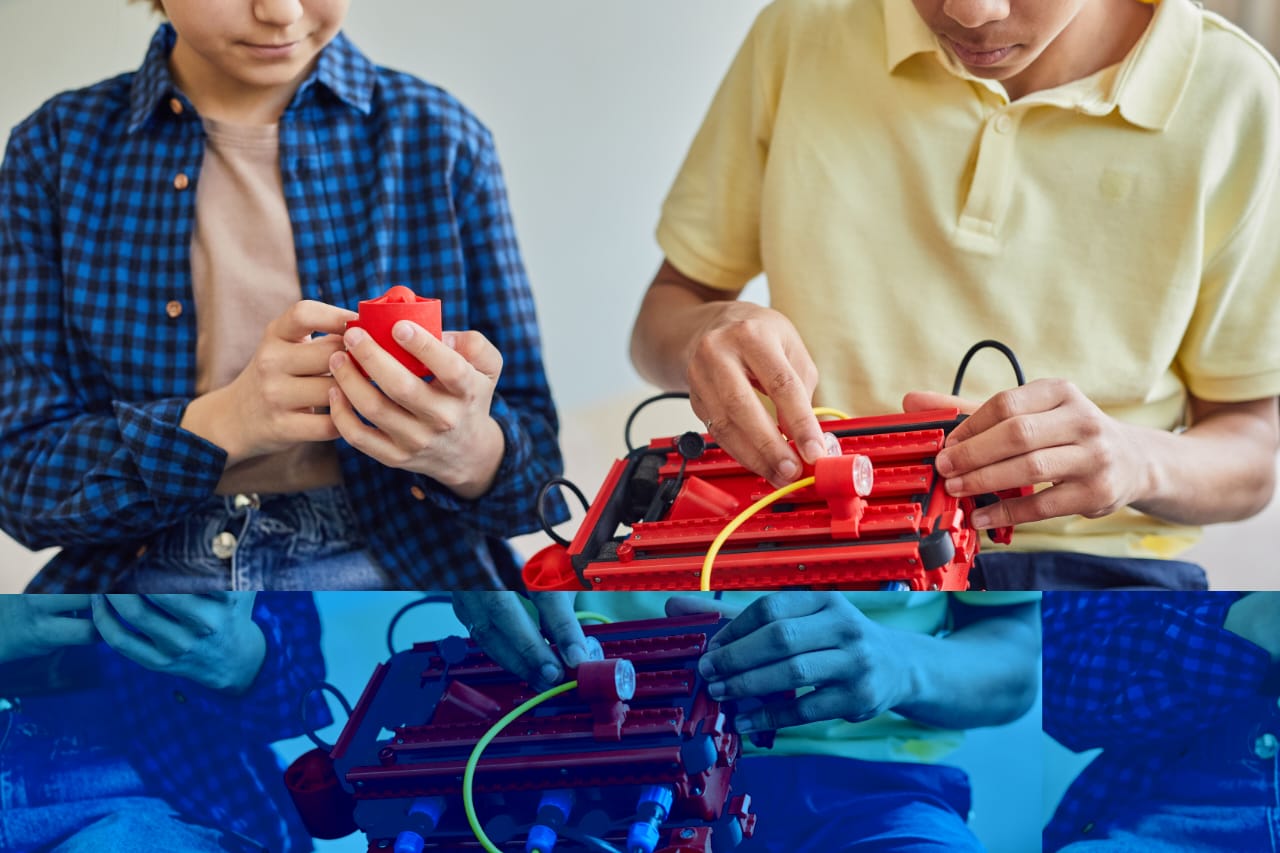
Two young people wiring a red circuit kit with coloured cablesFig. 05
Circuit Building
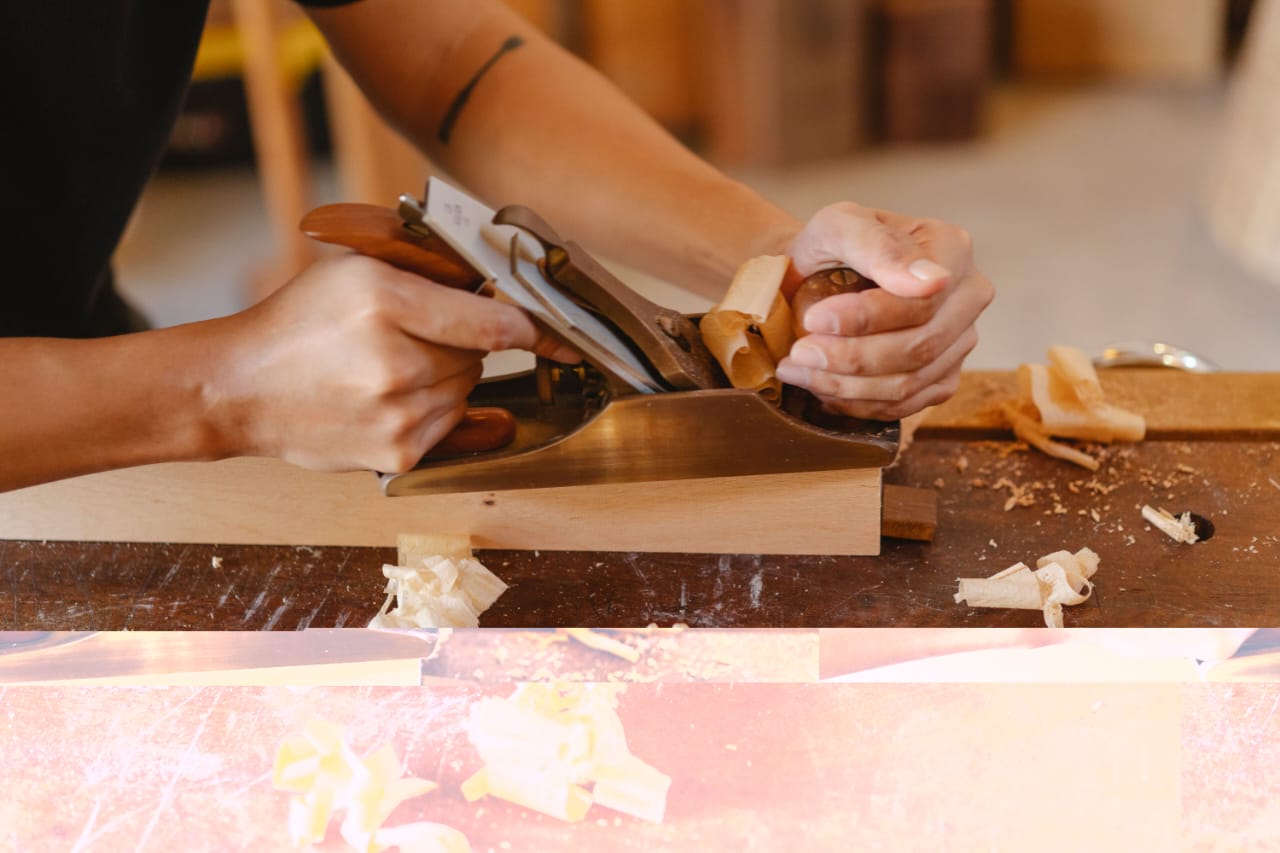
Hands guiding a hand plane along a piece of wood, with curls of shavings on the benchFig. 06
Woodwork
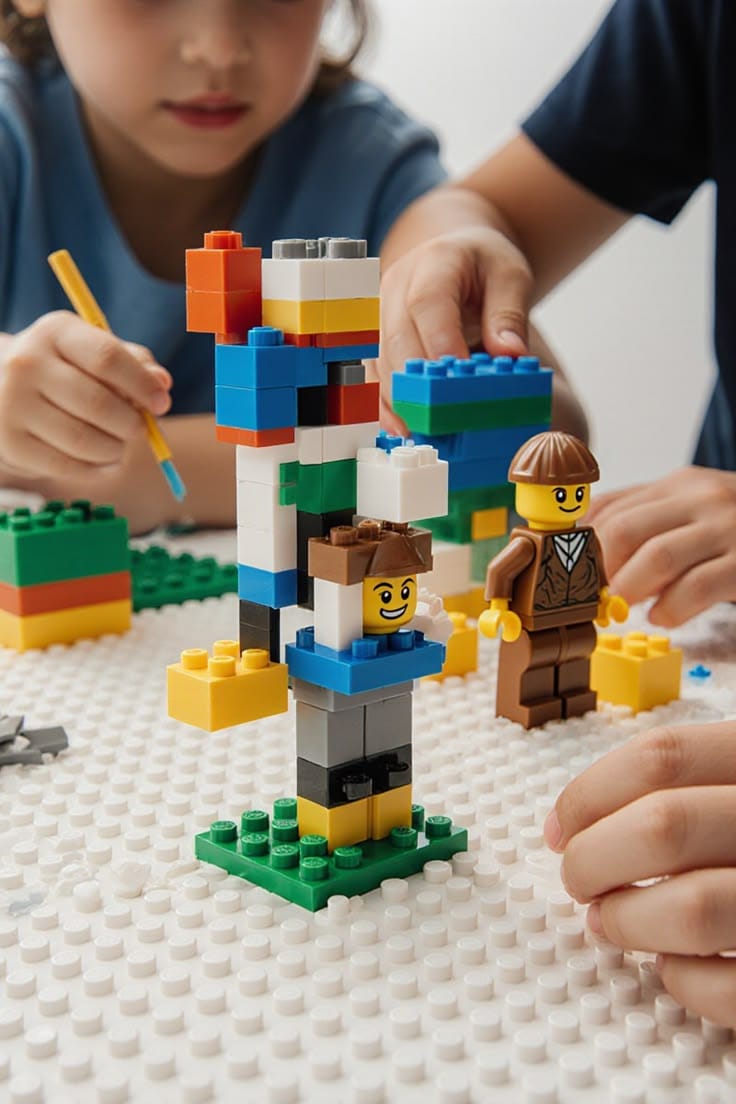
Children's hands arranging colourful interlocking pieces around a central constructionFig. 07
Creative Building
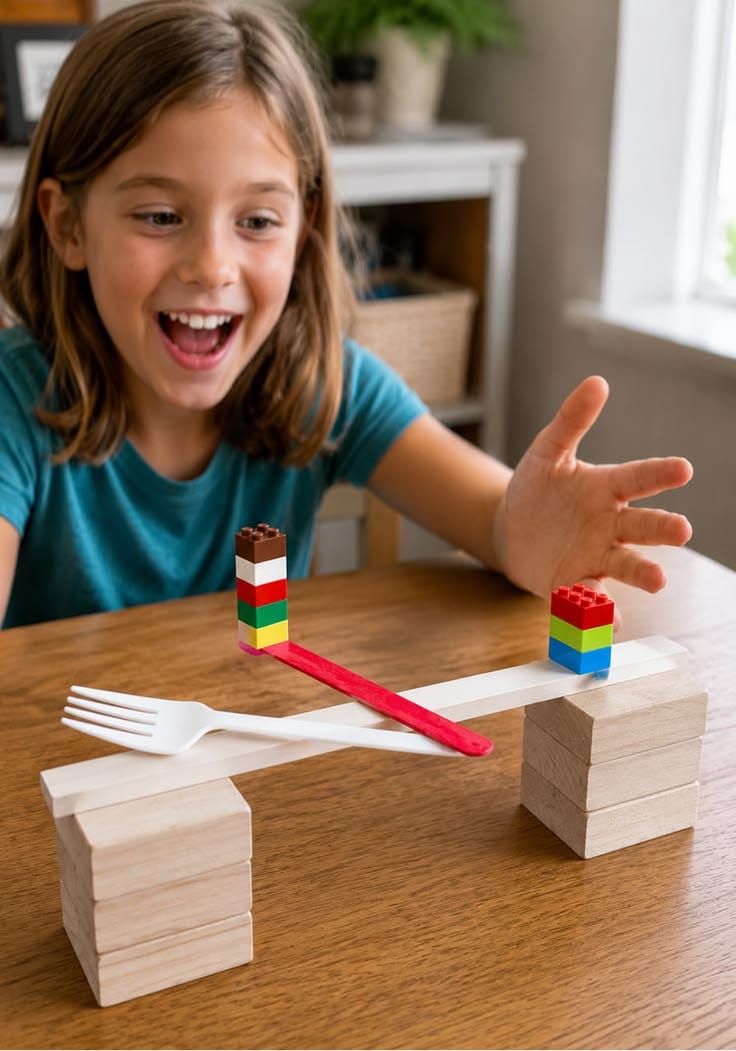
A girl testing a balancing structure made with wooden blocks, forks and colourful construction piecesFig. 08
Design & Experiment
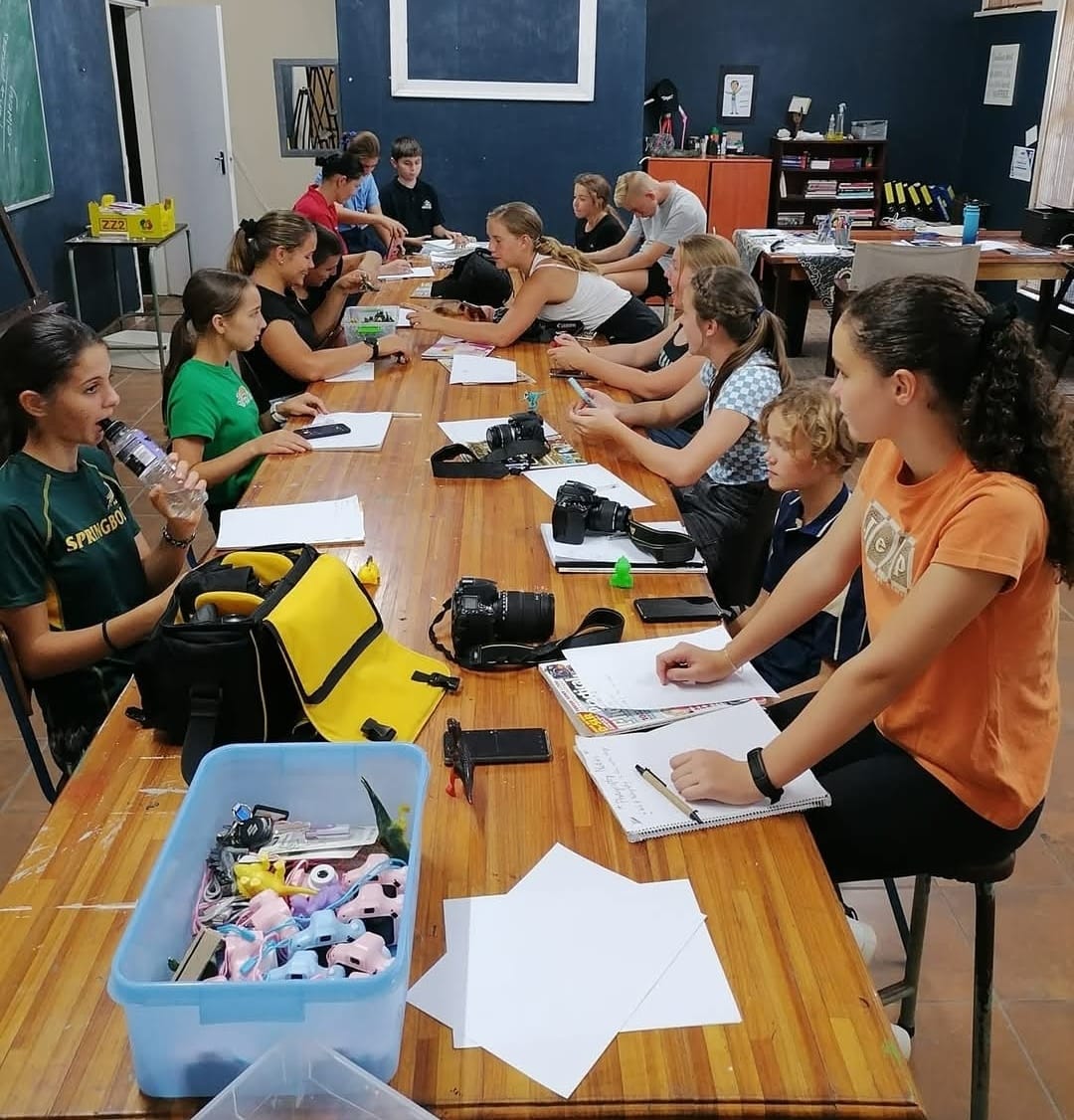
A group of young participants creating together around a large activity tableFig. 09
Collaborative Creation

Weekly Skill Builders

Thursdays15:00–16:00

Ages 10+one hour, every week

An hour in Strand, Western Cape to imagine, design, build, test and adapt. Participants use real materials and make real things to take home.

  • Drop-in Class

    R350

    Drop-in Class

    • One Thursday class
    • Per participant
  • Monthly Package

    R999

    4 Classes

    • One class each week
    • Per participant

Skill tracks

Four ways in

Different projects. Different materials. One shared goal: learning through doing.

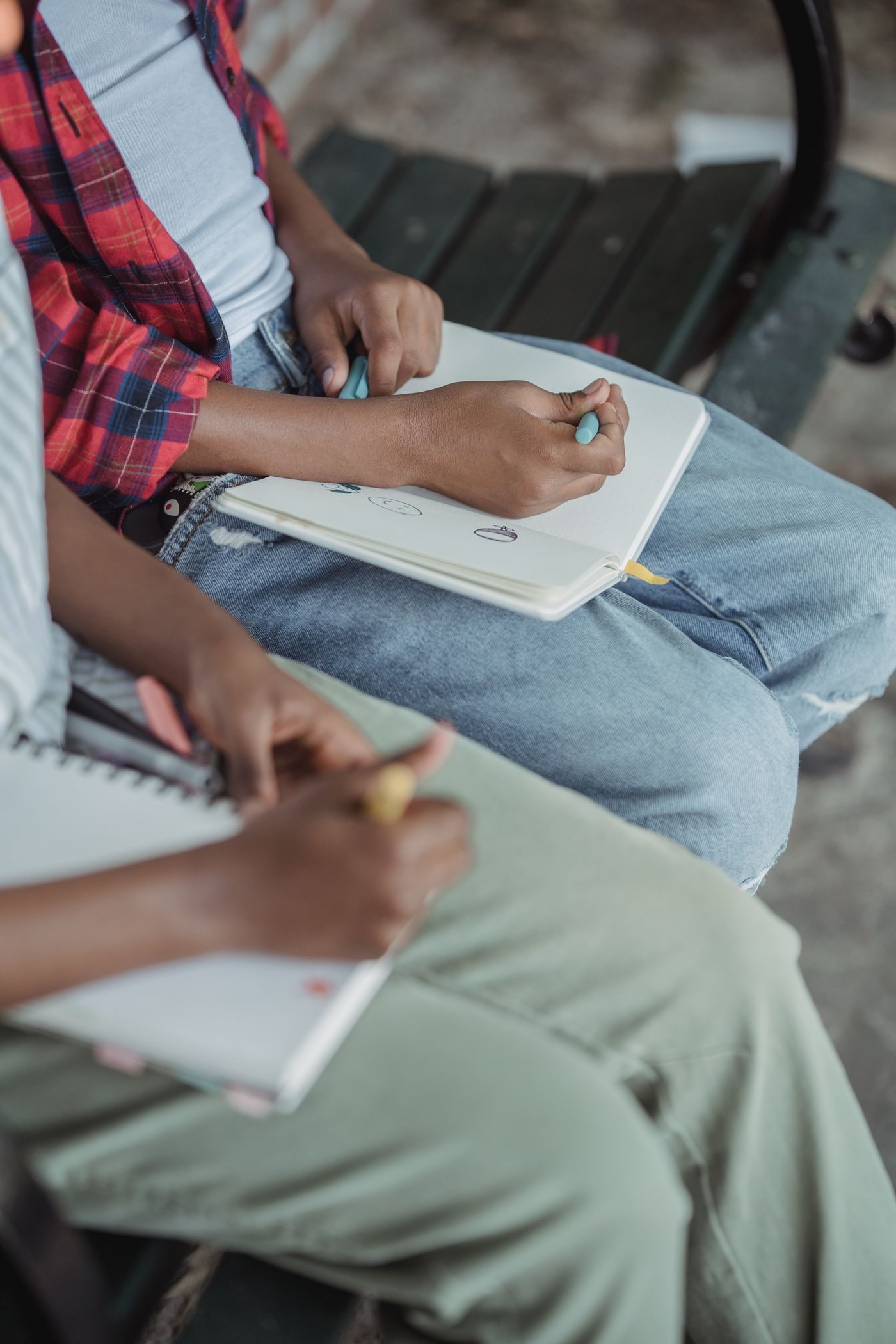
A child sketching in a notebook, pencil in hand, working out an idea on paper
01

Creative Art & Expression

Explore ideas through process art, movement, materials and open-ended creative experimentation.

The focus is on imagination, expression, observation and the confidence to turn an idea into something visible. The process matters more than the finished piece.

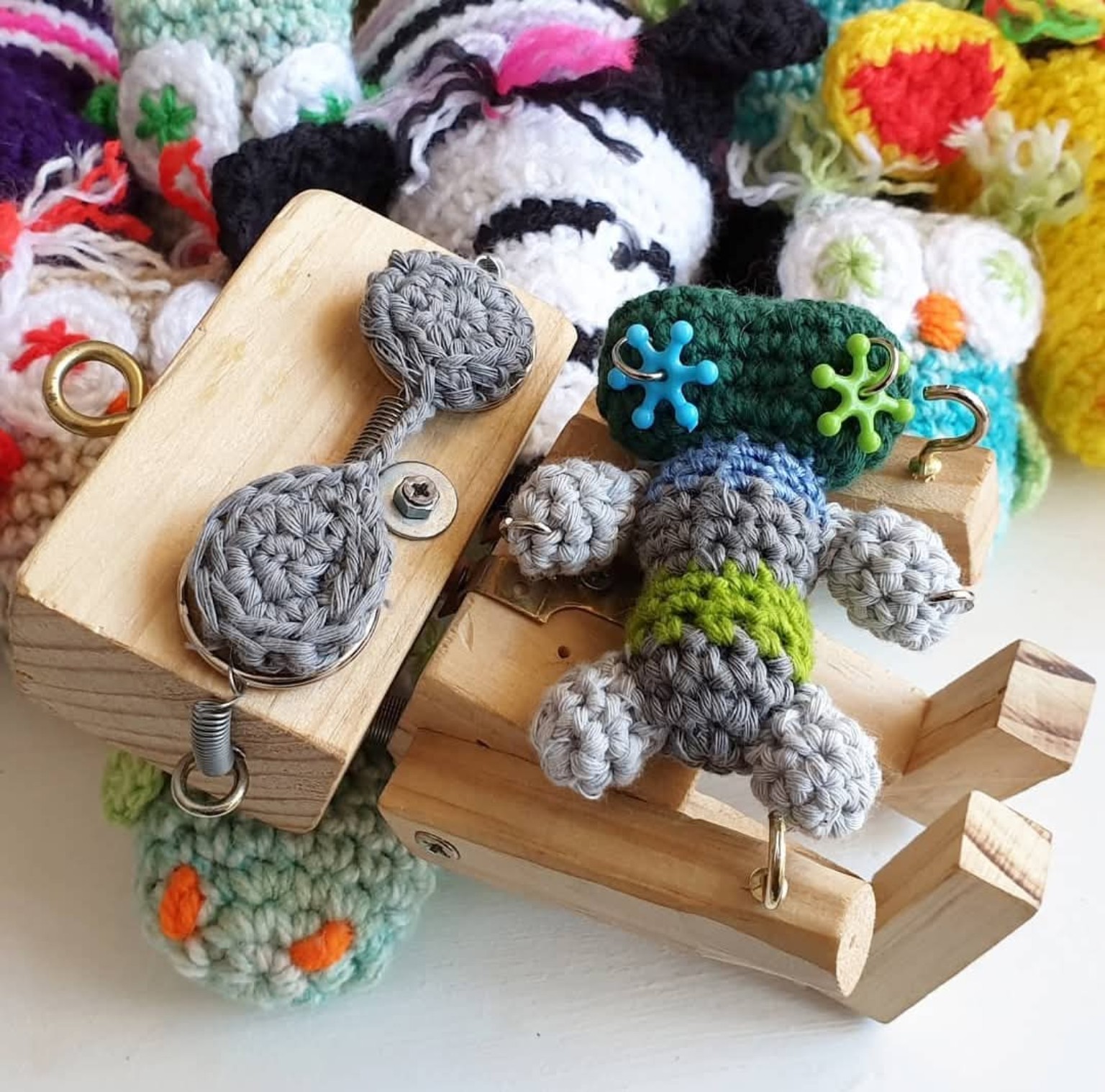
Wooden robot parts combined with crocheted grey and green pieces, surrounded by colourful crocheted characters
Made here

Soft meets solid

Wood, crochet, hooks, springs, hardware

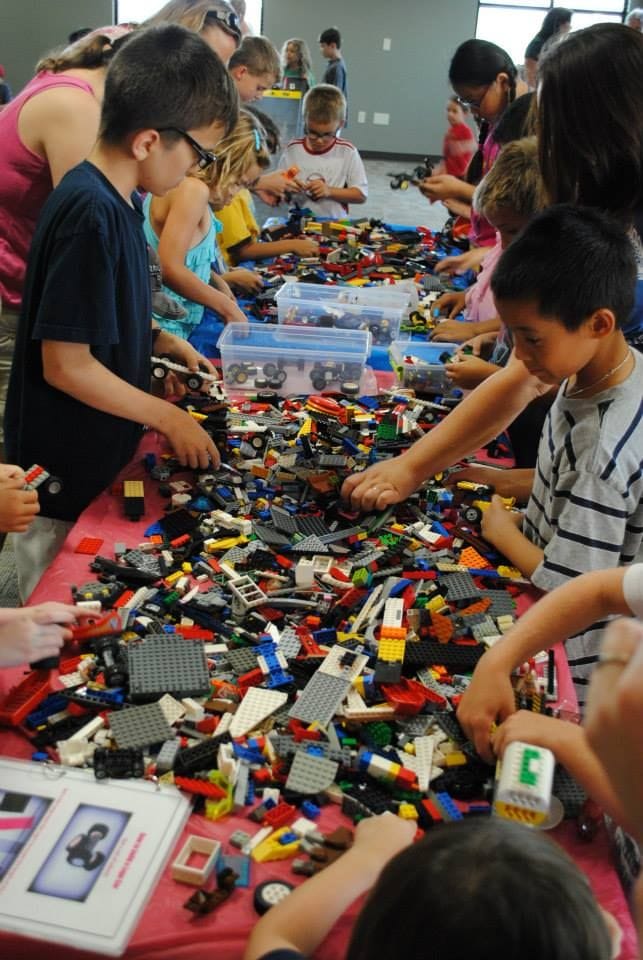
Three young people leaning over a table, building a wheeled machine together
02

Building & Construction

Discover how structures, materials and everyday objects come together.

Activities may introduce design, measuring, joining, structural thinking, construction materials and practical building processes.

A wooden robot with a braided headband and camera, photographed outdoors in front of a Bo-Kaap street scene
Made here

Street photographer

Pine, eye bolts, washers, braided cord

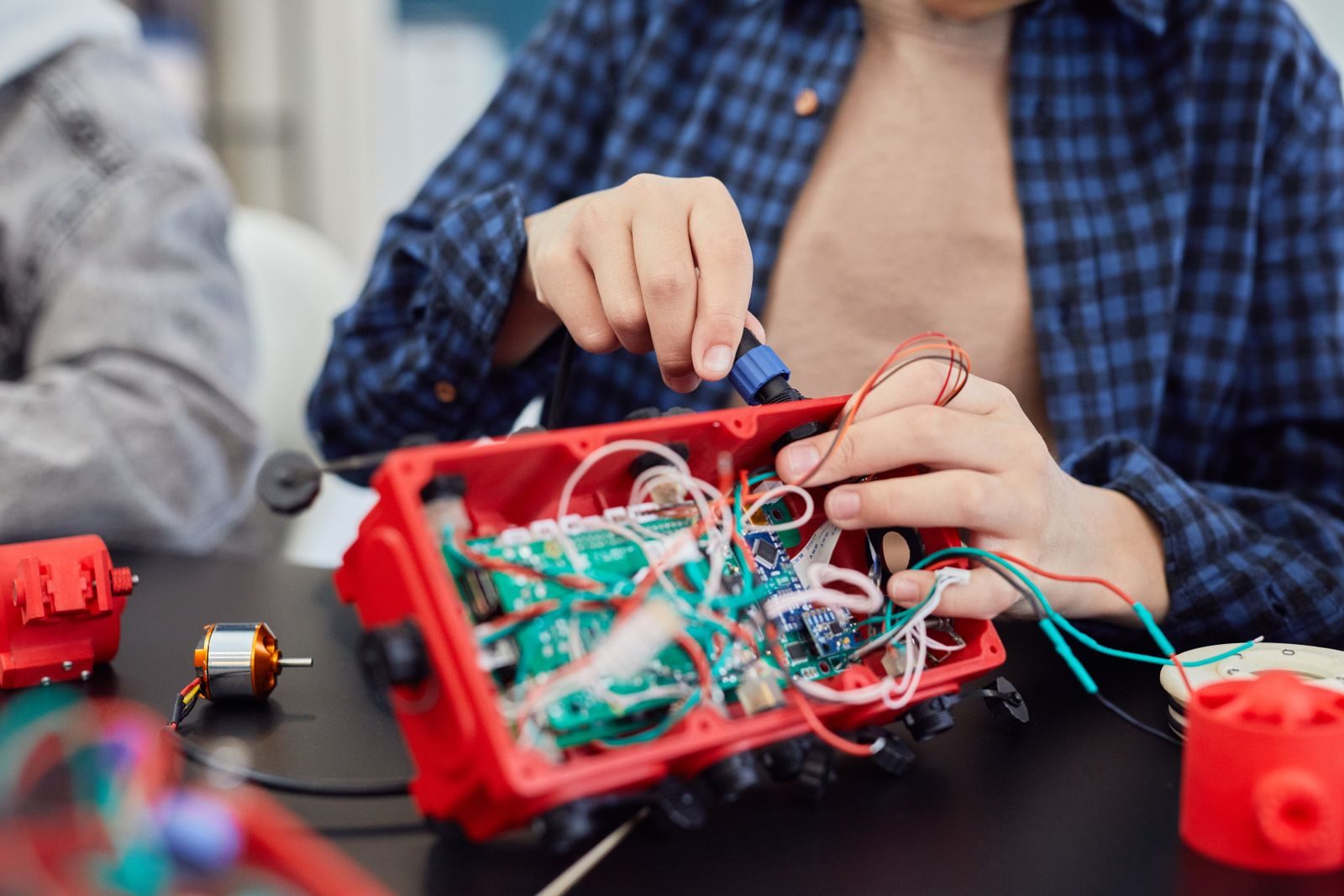
Hands wiring a motor and circuit board inside a red plastic chassis on a workbench
03

Electronics & Circuitry

Look inside technology and discover what makes things work.

Participants may investigate components, explore simple circuits, dismantle appropriate old electronics and use what they learn to create new projects.

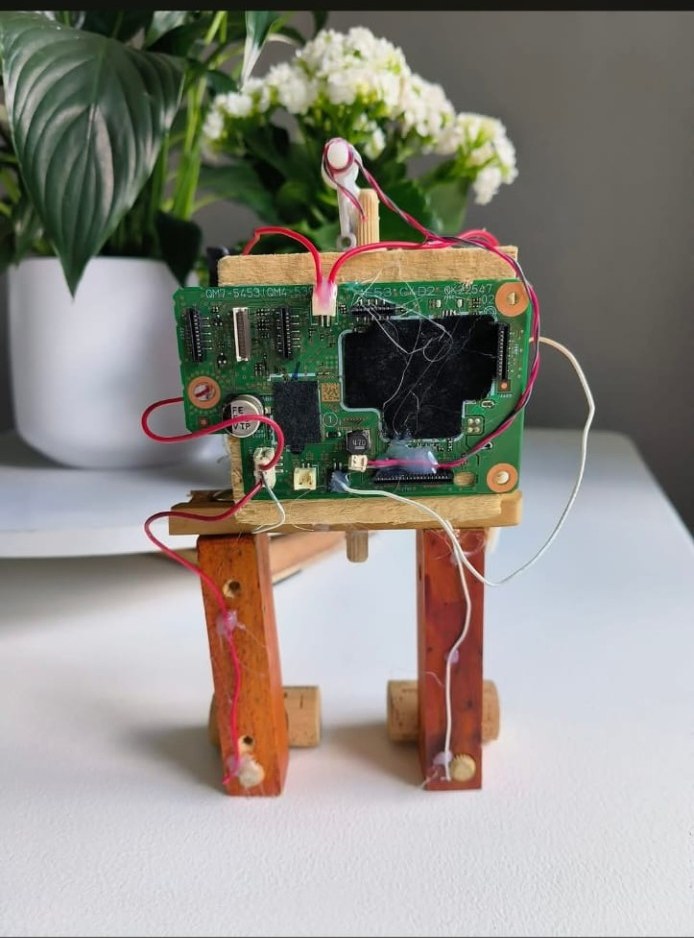
A small four-legged creature built from a salvaged green circuit board, wooden offcuts, corks and coloured wire
Made here

Circuit-board creature

Recycled circuit board, wood offcuts, cork, wire

Hands running a hand plane along a plank, with chisels and shavings on the bench
04

Plumbing & Woodwork Fundamentals

Explore practical making skills using age-appropriate materials and guided activities.

Projects can introduce measuring, connecting, assembling, construction, basic woodwork principles and an understanding of how practical systems fit together. Tools and materials are age-appropriate and activities are supervised.

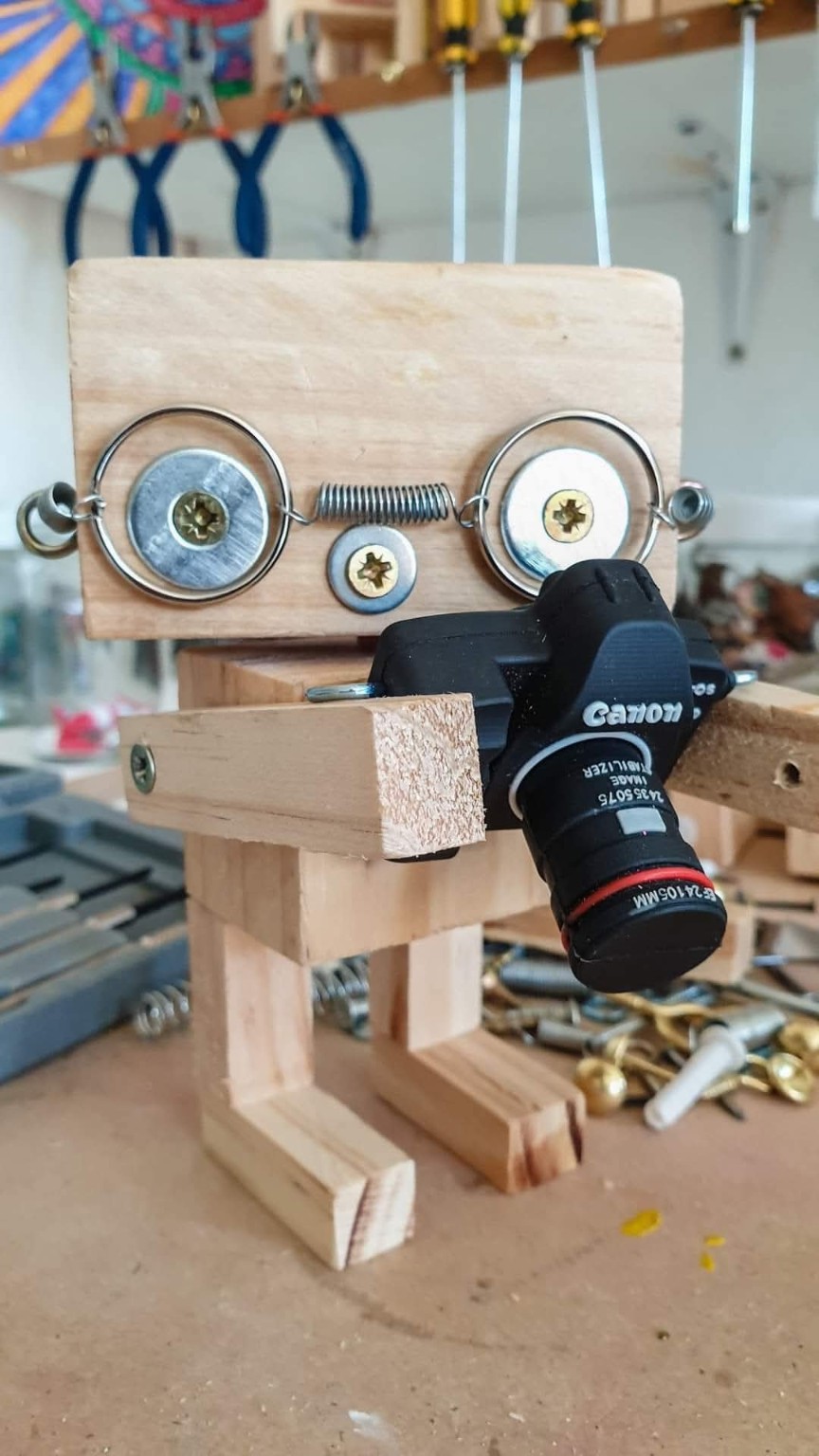
A wooden robot with washer-and-spring eyes holding a toy camera, standing on a workbench under a rack of pliers and screwdrivers
Made here

Camera bot

Pine offcuts, washers, springs, screws

Made in the workshop

Real builds, real materials.

every one started as a question

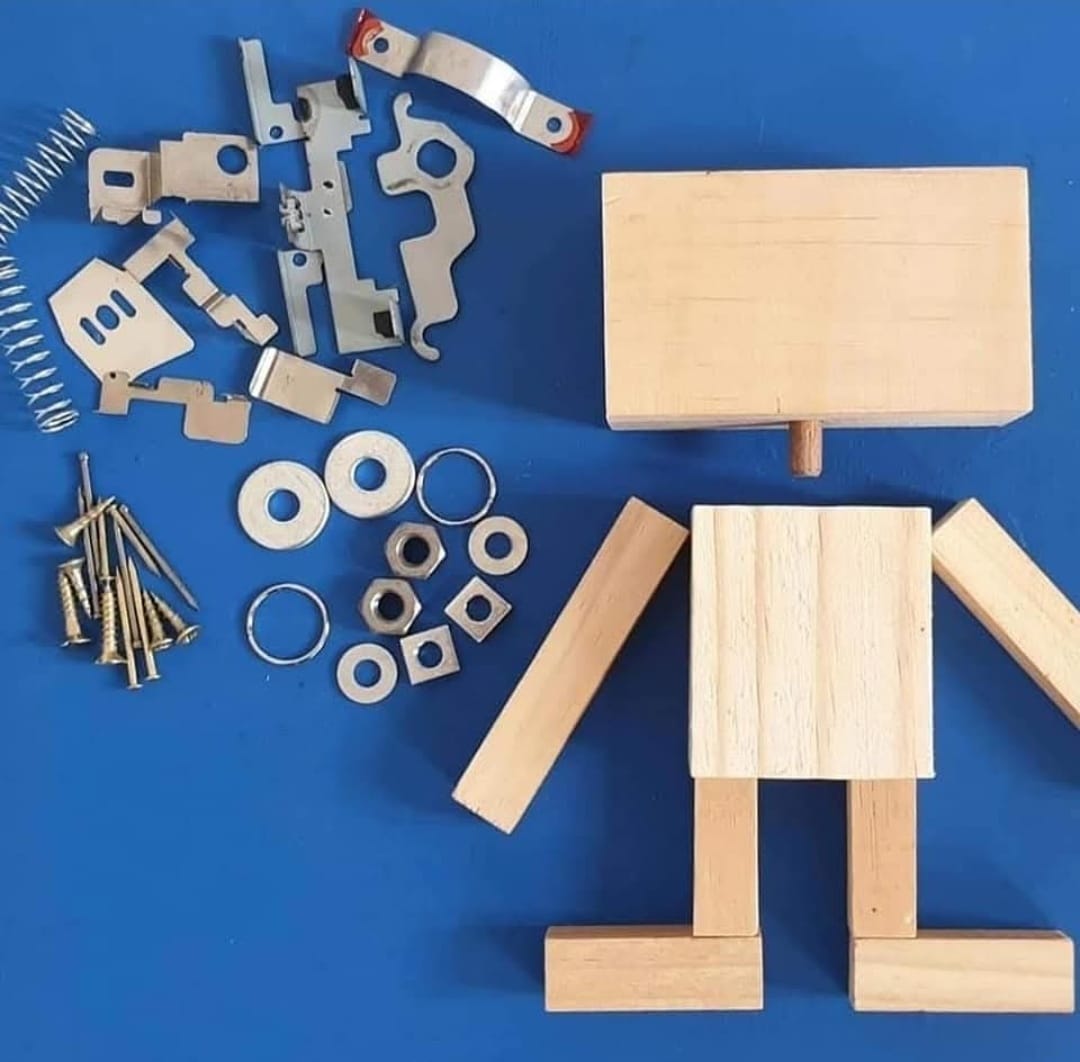
These are actual Skill Builders projects. Wood offcuts, salvaged electronics, hardware, springs and yarn turned into something with a character of its own. No two come out the same.

  • A small four-legged creature built from a salvaged green circuit board, wooden offcuts, corks and coloured wire

    Circuit-board creature

    Recycled circuit board, wood offcuts, cork, wire

    salvaged, not bought

  • A wooden robot with washer-and-spring eyes holding a toy camera, standing on a workbench under a rack of pliers and screwdrivers

    Camera bot

    Pine offcuts, washers, springs, screws

    screws for eyes

  • A wooden robot with a braided headband and camera, photographed outdoors in front of a Bo-Kaap street scene

    Street photographer

    Pine, eye bolts, washers, braided cord

    out on location

  • Wooden robot parts combined with crocheted grey and green pieces, surrounded by colourful crocheted characters

    Soft meets solid

    Wood, crochet, hooks, springs, hardware

    two materials, one idea

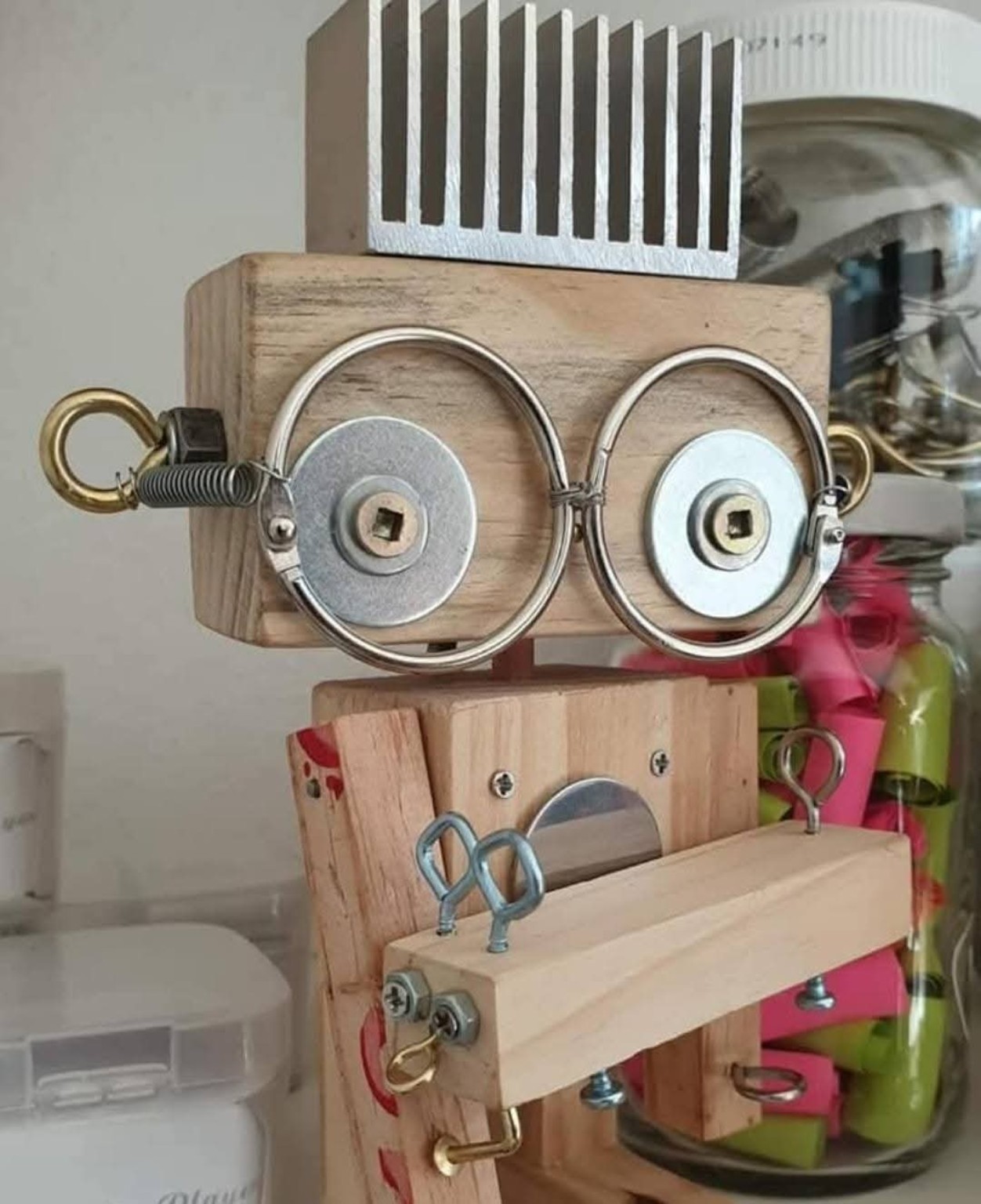
  • Close-up of a wooden robot head with a metal heat sink for hair and large ring-and-disc eyes

    Heat-sink head

    Wood block, heat sink, discs, eye bolts, spring

    old parts, new job

The project wall

Look what we'reworking on

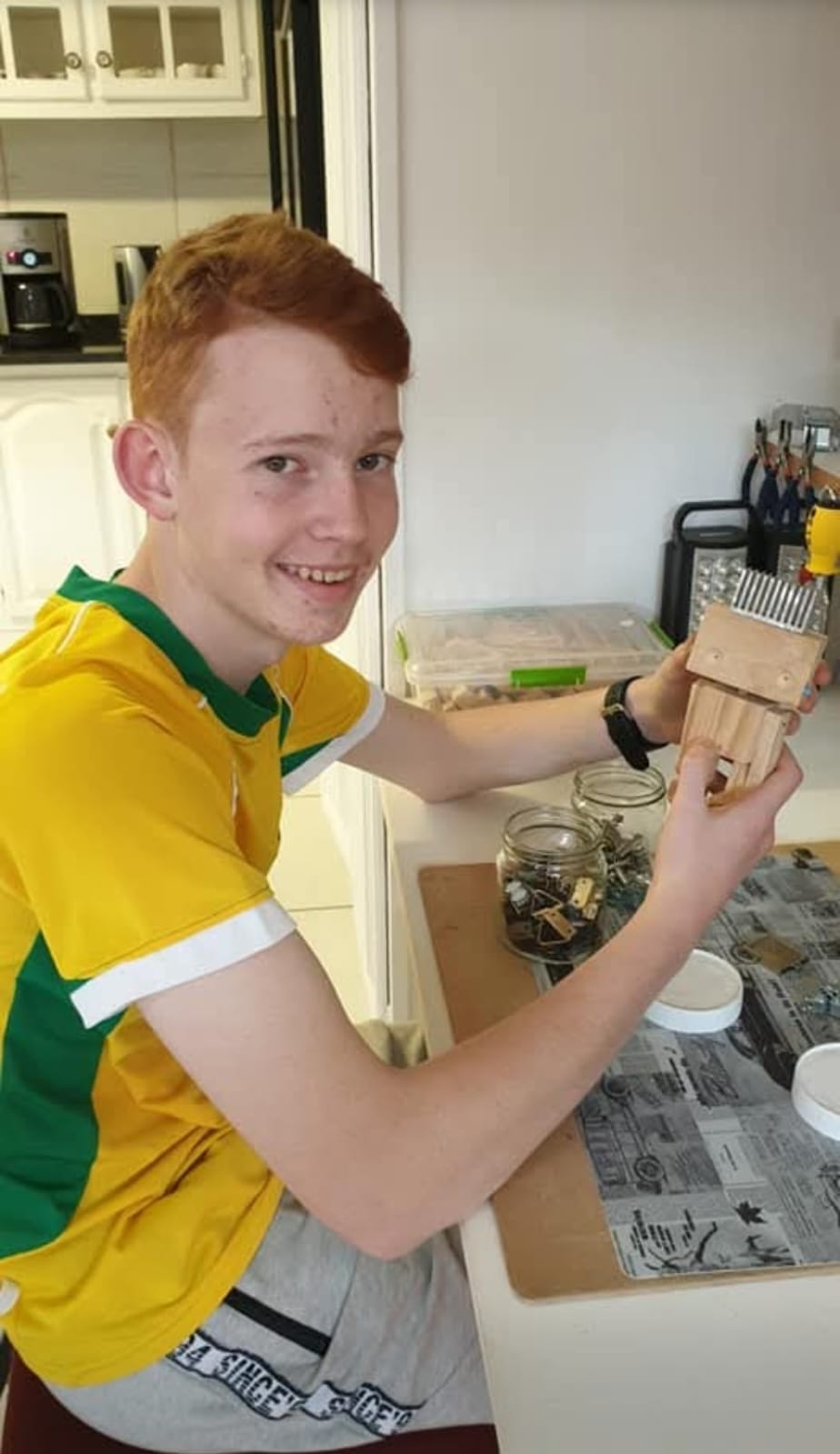
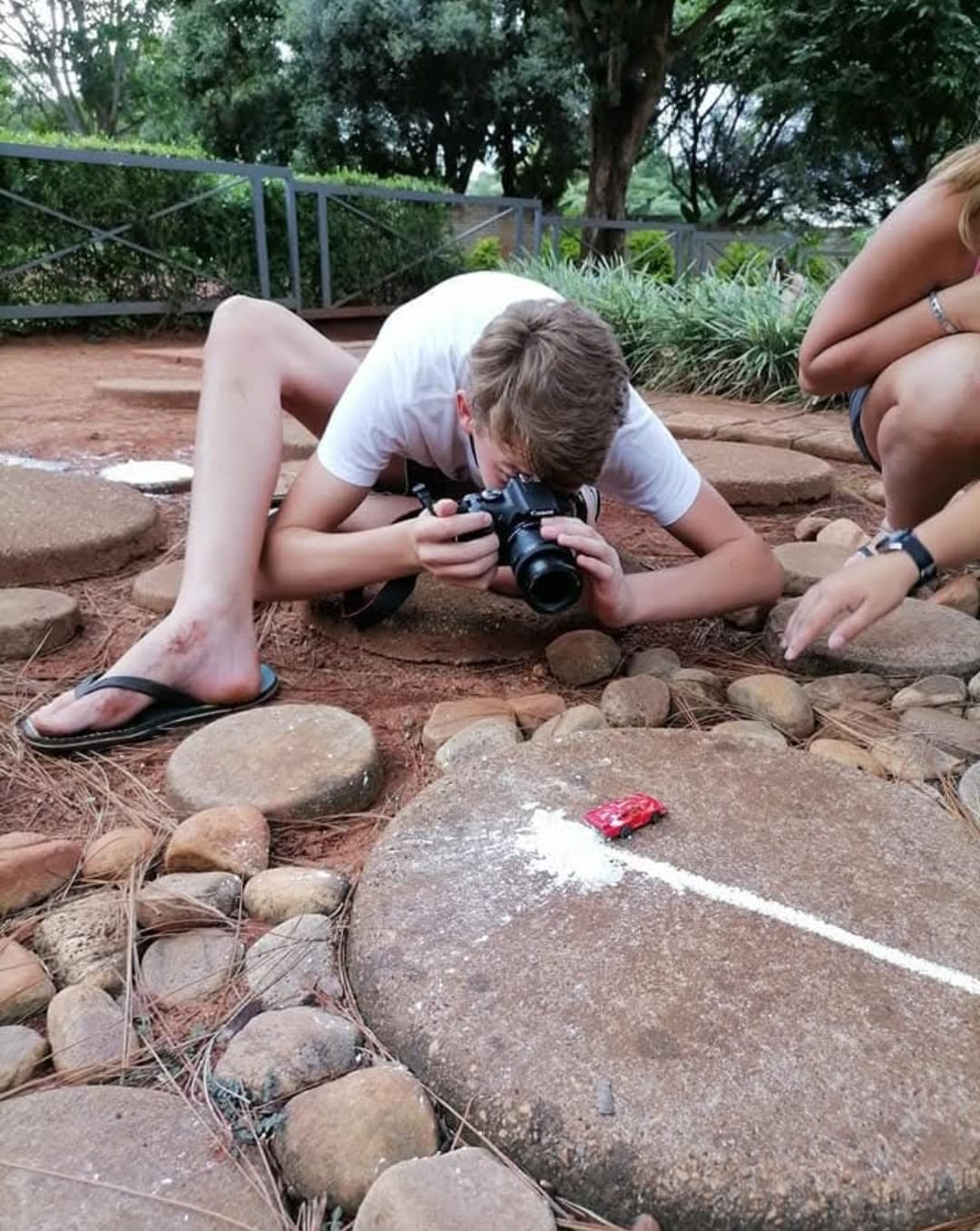
Photographs from real sessions, including works in progress, close-ups of hands, half-finished builds and the ones that finally worked.

A young maker working on a hands-on build during a Skill Builders session
Testing the idea…
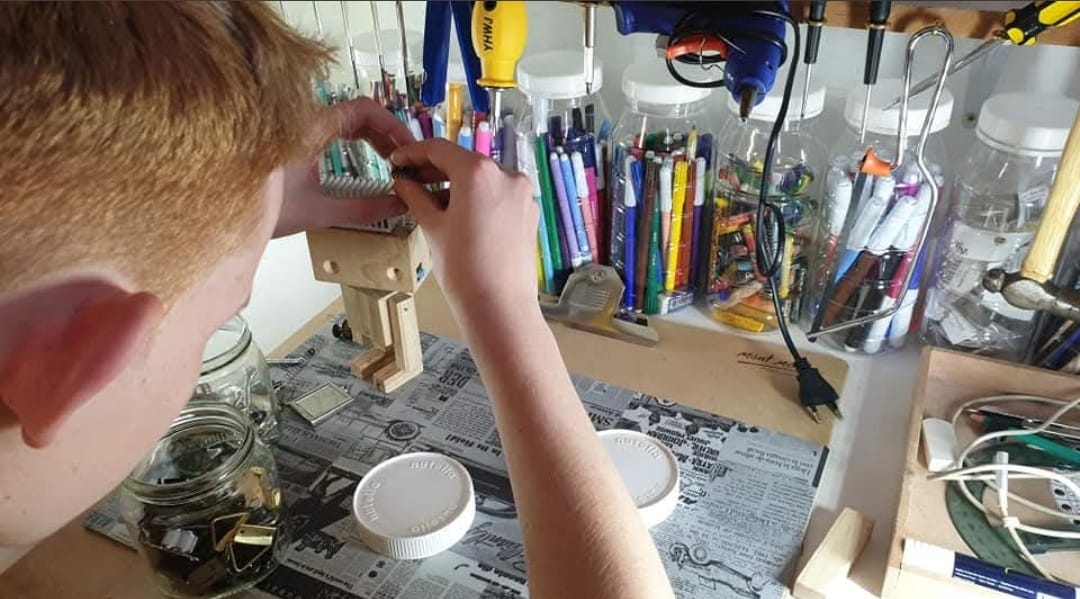
A young maker assembling a small wooden figure at a bench under a rack of tools and pens
Prototype #2
Close-up of hands building with real materials at the workshop bench
What happens if we change this?
A handmade project taking shape during a Skill Builders workshop
Built it!
A work in progress being adjusted and tested at the bench
Try again →
Wires, components and a creative experiment mid-build
Figuring it out…

Curiosity starts here

What could you find out?

A few of the questions a session might begin with.

  • What's inside a printer?

  • How does a circuit work?

  • Can spare parts become a robot?

  • What makes a structure strong?

  • How do materials connect?

  • Can paper become something real?

Why it matters

More than making things.

the build is only half of it

The finished project is only part of the experience.

Along the way, young people practise:

  • Working things out
  • Creative thinking
  • Curiosity
  • Planning
  • Perseverance
  • Practical reasoning
  • Fine-motor and hands-on skills
  • Communication
  • Confidence
  • Independent thinking

In a session

How a Skill Builders session works

This is a general approach rather than a fixed sequence. Sessions adapt to the project, the materials and the group.

  1. 01

    Explore

    Introduce a material, mechanism, question or challenge.

  2. 02

    Investigate

    Look closer, take appropriate things apart, test ideas and discover how components interact.

  3. 03

    Design

    Imagine a solution, then draw and plan it before building.

  4. 04

    Build

    Turn the idea into something tangible.

  5. 05

    Test

    Try it out and see what actually works.

  6. 06

    Adapt

    Test ideas and change the design as the build develops.

  7. 07

    Reflect

    Talk about what worked, what changed and what could be tried next.